What is Level in the CoachCat App?
Frank Overton
Level is CoachCat’s simple, intuitive way to show how much you’ve been riding lately.
At its core, Level measures your recent training load. Ride more and your Level goes up. Ride less and it comes down. When your Level rises during a Build Phase, your FTP can increase alongside it. During Rest phases, your Level drops while your FTP may still improve as your body absorbs the work.
How Level Is Calculated
Level is calculated from a rolling 42-day average of your daily OTS (Optimized Training Stress). That’s six weeks of training history, weighted so recent rides count more than older ones.
In other words:
Level = How much quality training stress you’ve achieved over the last six weeks.
Level = The Modern Evolution of CTL
If you’ve trained with power for a long time, Level will sound familiar. It’s the modern evolution of Chronic Training Load (CTL)—a metric originally developed in 2003–2004 by Dr. Andy Coggan and a small group of coaches, including Coach Frank.
That work led to the Performance Manager Chart (PMC) still used today inside platforms like TrainingPeaks. CTL became the gold standard for tracking long-term training load.
Level continues that legacy—but in a way that’s far easier to understand and use.
Where CTL required charts and interpretation, Level gives you one clear number that answers the question:
“How trained am I right now?”
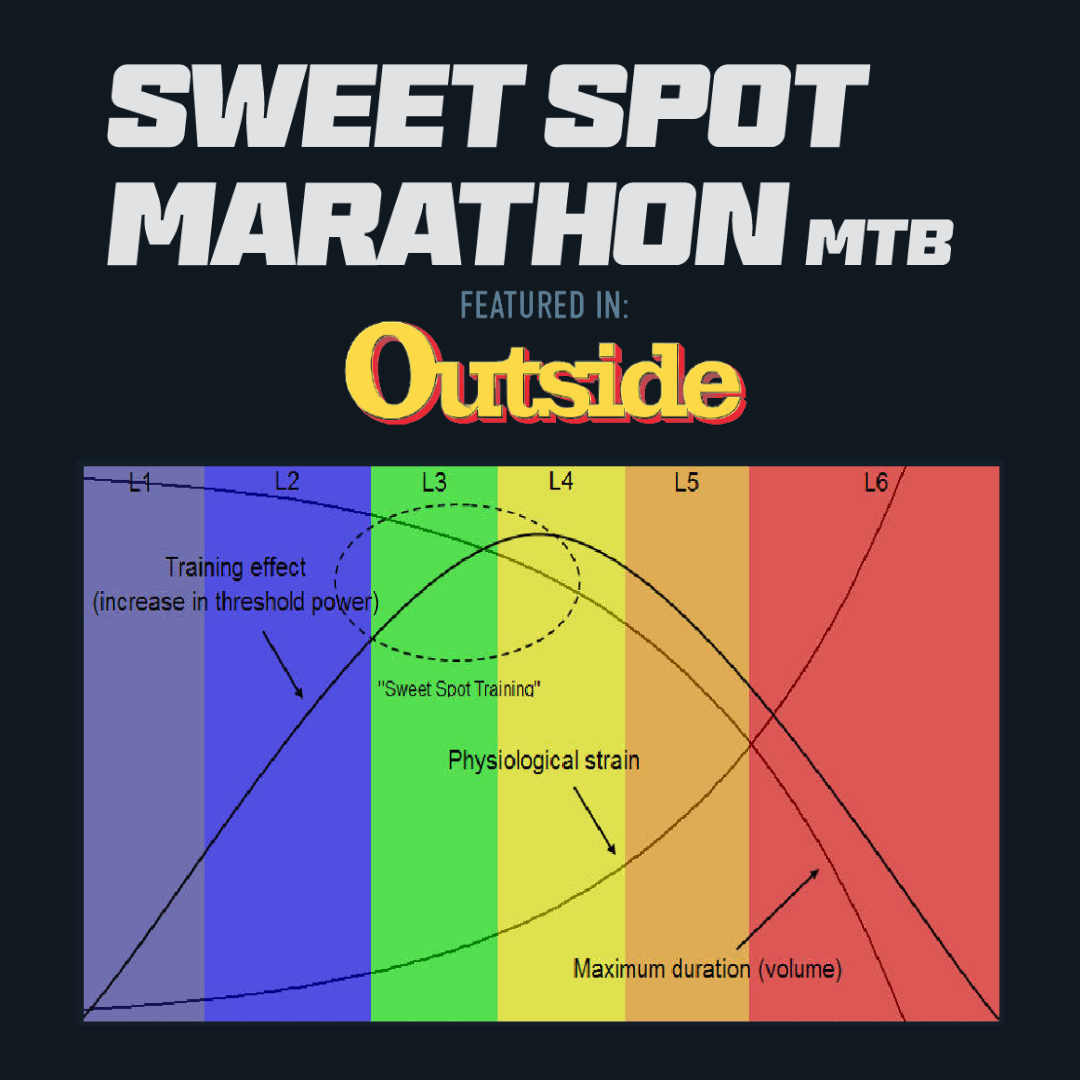
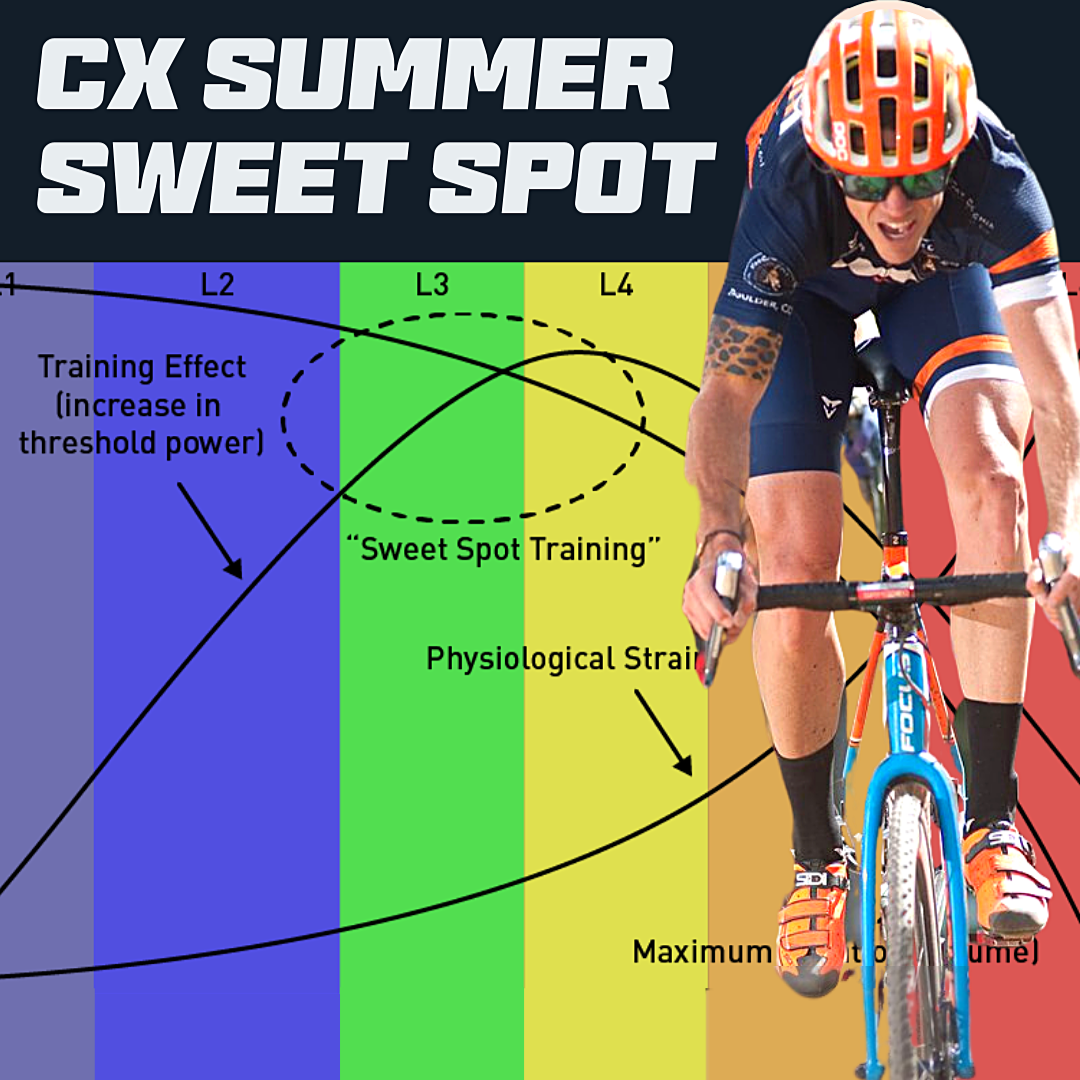
It’s also deeply connected to Frank’s development of Sweet Spot Training, which was built to safely and efficiently raise CTL—now Level—without breaking athletes.
(You can hear more of that story here: https://youtu.be/AD32o8WoX5U)
Level vs. Training Load: Same Engine, Better Dashboard
In legacy platforms:
-
TrainingPeaks calls it CTL
-
CoachCat calls it Level
Under the hood, they both use:
-
A 42-day rolling, exponentially-weighted average
-
Based on your daily training stress
-
From TSS (TrainingPeaks) or OTS (CoachCat)
But the difference is this:
Level translates complex sport science into a number athletes instantly understand.
What Level Should a Amateur and Masters Cyclists Target?
Training load is highly individual. It depends on:
-
Age
-
Training history
-
Recovery ability
-
Life stress
-
Available training time
And this is where Masters athletes differ dramatically from younger riders. Recovery declines with age, which means the right Level for a 45-year-old is not the same as for a 25-year-old—and definitely not a Tour de France pro (who may hit a Level of 150–160 CTL deep into a Grand Tour).
From 20+ years of coaching masters and pro's, we focus on two key Levels:
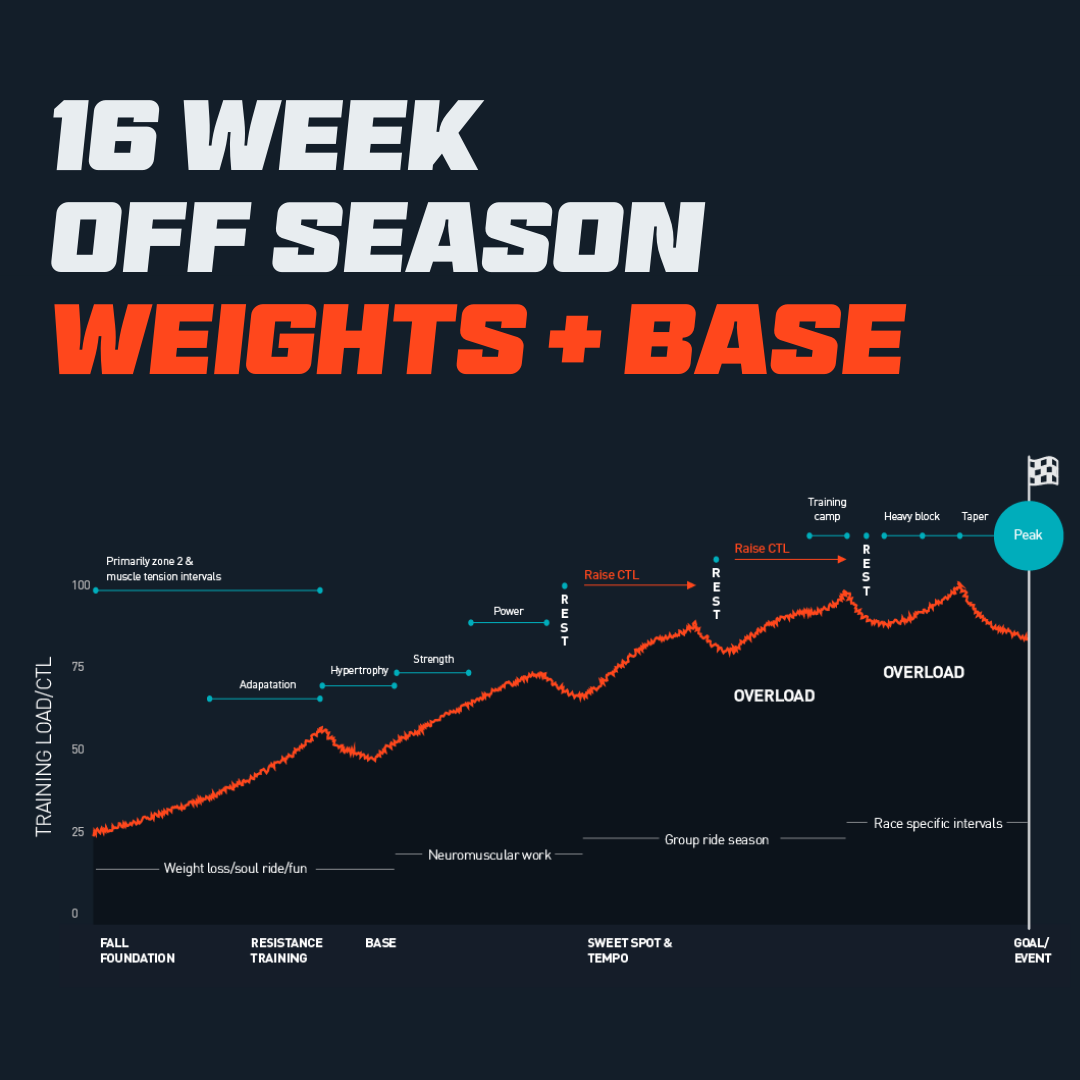
#1 Pre-Season Level
Built during long base phases (usually 12–16 weeks) using:
-
Zone 2
-
Tempo
-
Sweet Spot
-
Long group rides
-
Training camps
This is often times where athletes safely reach their highest sustainable Level of the year.
#2 In-Season Level
Once racing or hard interval blocks begin, in-season Levels typically sits 10–15% lower than peak. This allows:
-
Better recovery
-
Higher-quality intensity
-
Fresher legs on race day
During the season, athletes rotate between:
-
Interval phases
-
Race-and-recover phases
Why Level Matters So Much
Level ties everything together:
-
Your recent training history
-
Your FTP progression
-
Your fatigue and freshness
-
Your readiness for hard work
It ensures:
-
You don’t build fitness too fast
-
You don’t stagnate at too low a load
-
And you don’t sabotage gains by overreaching
Level is the compass that guides your long-term fitness.
The Big Takeaway
Level is your modern training load: simplified, personalized, and directly connected to your FTP and training plan. Built on the same science Coach Frank helped create with Dr. Coggan over 20 years ago, it now lives inside CoachCat as a single, easy-to-understand number that answers:
“Am I building fitness… or losing it?”
Train consistently, respect recovery, and let your Level rise at the right pace. That’s how you get faster, year after year.
COPYRIGHT © 2025 FASCAT COACHING. ALL RIGHTS RESERVED.

CoachCat is your AI-Powered Coach available 24/7/365. Build & follow a custom training plan with unlimited revisions and instant ride analysis.
When you hire a FasCat Coach, you'll talk with them every 2- 4 weeks (depending on coaching level) and receive a custom training plan tailored toward your goals, your timing, time frames, opportunities - everything.












Road Racing Intervals
- Increase your functional and race-specific power output
- Includes Sweet Spot, VO2, Anaerobic, Threshold










Road Race In-Season
- Weekend racing and group rides with weekday training and recovery
- anaerobic efforts like criss cross, Over/Unders Sweet Spot, Threshold



Foundation : 3 Weeks
- Perfect for all cyclists beginning off season training
- Raise your CTL and the all-important muscle tension intervals




















Phil Gaimon's Strava PR Plan
- Perfect Plan for Those with Less Training Time, starts at 15 minutes per day
- VO2's, 1 minuters, Tabatas, threshold, suprathreshold, and even Sweet Spot